Einbürgerungstest
Europäische Union
From war to cooperation
Germany and France fought against each other in two world wars. At Verdun hundreds of thousands of soldiers from both countries died in the First World War. In 1984 the French President François Mitterrand and Federal Chancellor Helmut Kohl stood there together and remembered the dead. The picture shows the first goal of European unification. It is about peace and security in Europe.
This unification is called European integration. It means that European states join together and work together more and more closely. It began with the Treaties of Rome. In 1957 six states signed them in Rome. They were the Federal Republic of Germany, France, Italy, Belgium, the Netherlands and Luxembourg. With them they founded the European Economic Community (EEC, in German EWG). Today's European Union (EU) grew out of it. The name EU has existed since 1993. So Germany is a founding member of the EU.
Today the EU has 27 member states (as of 2026). Until 2020 there were 28, then Great Britain left.
The European Parliament
The citizens of the EU elect the European Parliament every five years. In the European election you elect the members of this parliament. The European Commission is not elected by the people. In Germany you may vote in the European election from the age of 16. The last election was in 2024, the next one is in 2029 (as of 2026).
The parliament has three places of work. In Strasbourg in France most of the large sessions with all members take place. In Brussels the committees work. In Luxembourg the administration is based.
In everyday life
Since 1 January 2002 people in Germany have paid with euro coins and notes. As book money, for example for bank transfers, the euro had already existed since 1999. Anyone travelling from Germany to Austria or France usually shows no passport at the border. This is governed by the Schengen Agreement. The Schengen Area includes most EU states and some other countries such as Switzerland and Norway. But a country may bring back border controls for a time. Since September 2024 Germany has again been checking at all its land borders (as of 2026). But the police stop only some of the travellers.
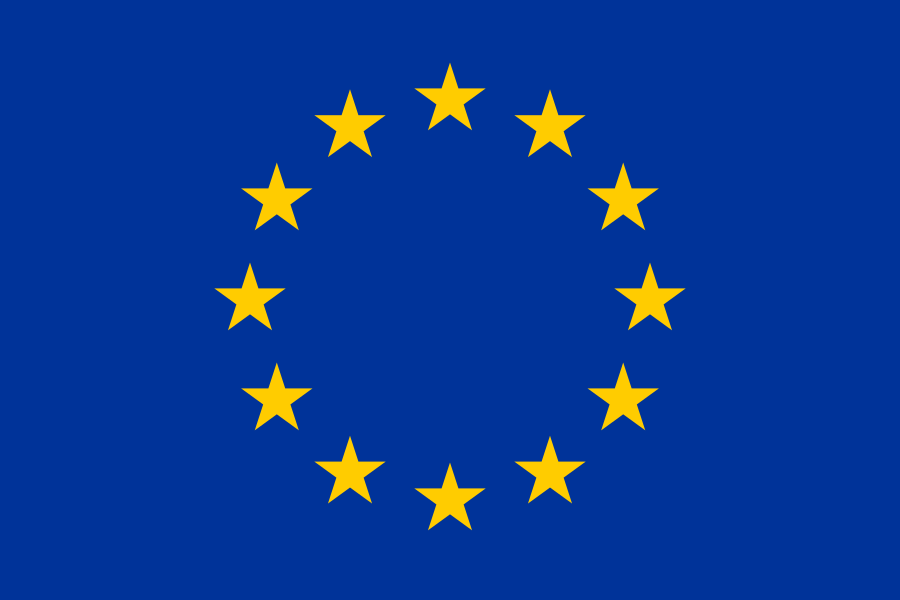
The flag of the EU shows twelve golden stars in a circle on a blue background. The number twelve stands for unity and completeness. It is not the number of member states.
Memory aid
Rome 1957, euro 2002: The economic community came first, the cash came 45 years later. Elections are held every 5 years. And for the parliament's places of work the sentence "Strasbourg votes, Brussels discusses, Luxembourg administers" helps.
Common traps
- NATO or the United Nations: Germany was not there when they were founded. The Federal Republic joined NATO in 1955 and the United Nations in 1973.
- Berlin or Paris as the seat of parliament: The places of work are Strasbourg, Brussels and Luxembourg.
- Into every country without a passport check: Schengen only applies to the countries of the Schengen Area, not to the whole world.
- 25 member states: That was the number in 2004. Today there are 27.
Related topics: "Deutschlands Nachbarländer" (Germany's neighbouring countries), "Die Bundesrepublik 1949 bis 1990" (the Federal Republic 1949 to 1990) and "Wahlgrundsätze und Wahlrecht" (electoral principles and the right to vote).
Question allgemein-173
Die Bundesrepublik Deutschland ist ein Gründungsmitglied …
- des Nordatlantikpakts (NATO).
- der Vereinten Nationen (VN).
- der Europäischen Union (EU).(correct answer)
- des Warschauer Pakts.
Explanation
In 1957 Germany, France, Italy, Belgium, the Netherlands and Luxembourg founded the European Economic Community in Rome. Today's European Union grew out of it.
- „des Nordatlantikpakts (NATO).“: NATO was founded in 1949. The Federal Republic only joined in 1955.
- „der Vereinten Nationen (VN).“: The United Nations was founded in 1945. Germany only became a member in 1973.
- „des Warschauer Pakts.“: The Warsaw Pact was made up of the Soviet Union and other states in the East, including the GDR. The Federal Republic was never a member.
Question allgemein-221
Deutschland ist Mitglied des Schengener Abkommens. Was bedeutet das?
- Deutsche können in viele Länder Europas ohne Passkontrolle reisen.(correct answer)
- Alle Menschen können ohne Personenkontrolle in Deutschland einreisen.
- Deutsche können ohne Passkontrolle in jedes Land reisen.
- Deutsche können in jedem Land mit dem Euro bezahlen.
Explanation
Between the countries of the Schengen area there are normally no passport checks at the borders. But a country may bring back checks for a time. The Schengen area includes most EU states and also, for example, Switzerland and Norway.
- „Alle Menschen können ohne Personenkontrolle in …“: Checks continue at the external borders of the Schengen area. Many people need a visa to enter.
- „Deutsche können ohne Passkontrolle in jedes …“: The agreement only applies between the Schengen states in Europe, not worldwide.
- „Deutsche können in jedem Land mit …“: Schengen deals with border checks, not money. The euro is only used in some of the countries.
Question allgemein-224
Was bedeutet die Abkürzung EU?
- Europäische Unternehmen
- Europäische Union(correct answer)
- Einheitliche Union
- Euro Union
Explanation
EU stands for Europäische Union (European Union). In this union 27 European states work closely together, for example on trade and environmental protection.
- „Europäische Unternehmen“: The EU is a union of states, not of companies.
- „Einheitliche Union“: This name does not exist. The E stands for European.
- „Euro Union“: The euro is the shared currency of many EU states, not the name of the union.
Question allgemein-226
Welche ist die Flagge der Europäischen Union?
 (correct answer)
Explanation
The EU flag shows twelve golden stars in a circle on a blue background. The number twelve stands for completeness and unity, not for the number of member states.
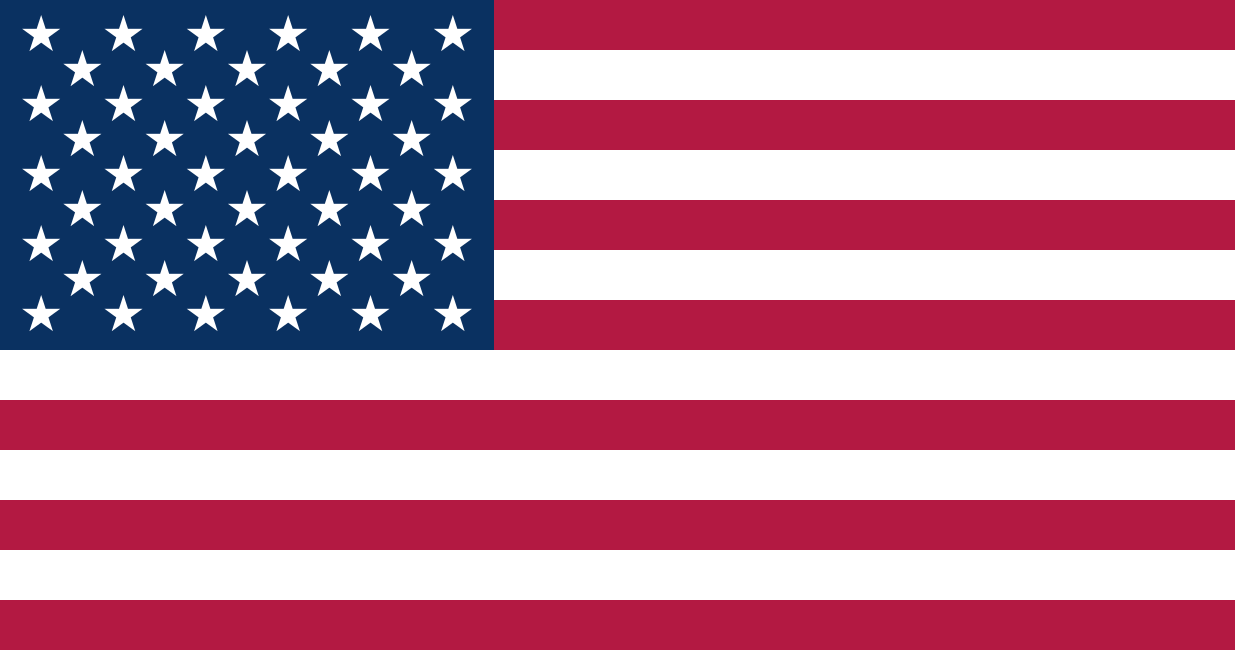
- „Bild 1“: The picture shows the flag of the USA with stars and red and white stripes.
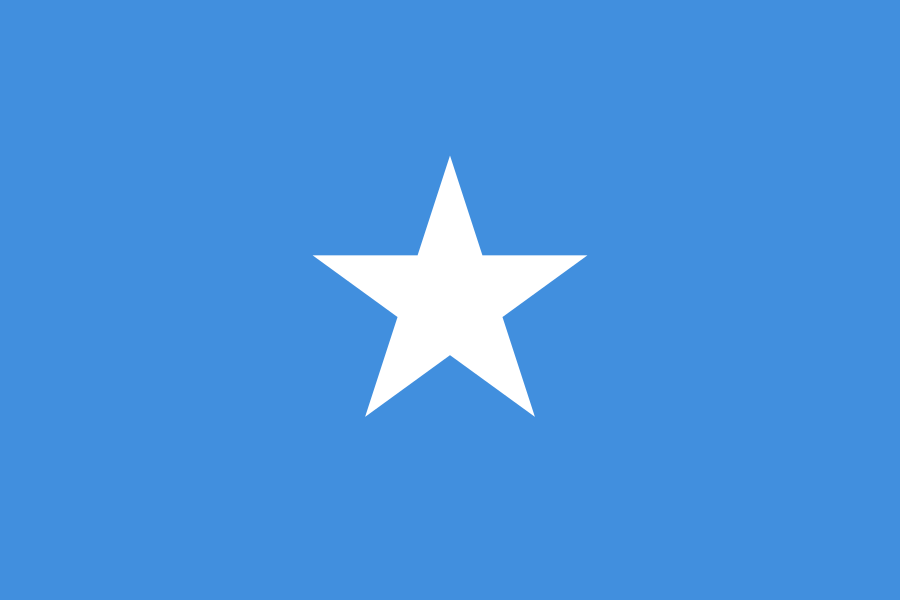
- „Bild 3“: The picture shows the flag of Somalia with just one white star on a light blue background.
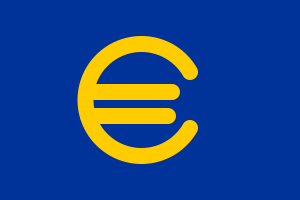
- „Bild 4“: The picture shows the euro sign. It stands for the currency, not for the union.
Question allgemein-230
Das Europäische Parlament wird regelmäßig gewählt, nämlich alle …
- 5 Jahre.(correct answer)
- 6 Jahre.
- 7 Jahre.
- 8 Jahre.
Explanation
The citizens of the EU have elected the European Parliament directly since 1979. The electoral term lasts five years, and the last European election was in 2024.
- „6 Jahre.“, „7 Jahre.“ and „8 Jahre.“: The electoral term is not that long. The European Parliament is always elected again after five years.
Question allgemein-231
Was bedeutet der Begriff "europäische Integration"?
- Damit sind amerikanische Einwanderinnen und Einwanderer in Europa gemeint.
- Der Begriff meint den Einwanderungsstopp nach Europa.
- Damit sind europäische Auswanderinnen und Auswanderer in den USA gemeint.
- Der Begriff meint den Zusammenschluss europäischer Staaten zur EU.(correct answer)
Explanation
Here, integration means that states join together and work more and more closely. In Europe this began in the 1950s with six countries, and today 27 states belong to the EU.
- „Damit sind amerikanische Einwanderinnen und Einwanderer …“ and „Damit sind europäische Auswanderinnen und Auswanderer …“: It is about cooperation between states, not about people who move between America and Europe.
- „Der Begriff meint den Einwanderungsstopp nach …“: A stop on immigration is the opposite of joining together. Integration means that something grows together.
Question allgemein-232
Wer wird bei der Europawahl gewählt?
- die Europäische Kommission
- die Länder, die in die EU eintreten dürfen
- die Abgeordneten des Europäischen Parlaments(correct answer)
- die europäische Verfassung
Explanation
In the European election, the citizens of the EU elect the members of the European Parliament. In Germany you may vote in it from the age of 16.
- „die Europäische Kommission“: The governments of the member states propose the Commission. Parliament then votes on it, and citizens do not elect it directly.
- „die Länder, die in die EU …“: The governments of the member states decide on membership, and the European Parliament must agree. You do not vote on this in the European election.
- „die europäische Verfassung“: You cannot elect a constitution. The EU also has no constitution. It is based on treaties such as the Treaty of Lisbon.
Question allgemein-234
Wo ist ein Sitz des Europäischen Parlaments?
- London
- Paris
- Berlin
- Straßburg(correct answer)
Explanation
Strasbourg is in France, on the border with Germany. The European Parliament meets there for most of its large sessions, where it votes.
- „London“: The United Kingdom left the EU in 2020. The European Parliament never had a seat in London.
- „Paris“: Paris is the capital of France. But the European Parliament works in Strasbourg, Brussels and Luxembourg.
- „Berlin“: Berlin is the seat of the Bundestag [German federal parliament]. The European Parliament has no seat there.
Question allgemein-235
Der damalige französische Staatspräsident François Mitterrand und der damalige deutsche Bundeskanzler Helmut Kohl gedenken in Verdun gemeinsam der Toten beider Weltkriege. Welches Ziel der Europäischen Union wird bei diesem Treffen deutlich?
- Freundschaft zwischen England und Deutschland
- Reisefreiheit in alle Länder der EU
- Frieden und Sicherheit in den Ländern der EU(correct answer)
- einheitliche Feiertage in den Ländern der EU
Explanation
In the First World War, hundreds of thousands of German and French soldiers died at Verdun. When Mitterrand and Kohl remembered the dead there together in 1984, they showed that enemies had become partners. Peace was the first aim of European unification.
- „Freundschaft zwischen England und Deutschland“: Mitterrand was President of France, not of England. The meeting shows the reconciliation of Germany and France.
- „Reisefreiheit in alle Länder der EU“: Freedom to travel is also an aim of the EU. But remembering the dead of a war is about peace.
- „einheitliche Feiertage in den Ländern der …“: There are no common public holidays in the EU, and they are not an aim. Each country has its own holidays.
Question allgemein-236
Wie viele Mitgliedstaaten hat die EU heute?
- 21
- 23
- 25
- 27(correct answer)
Explanation
The EU has 27 member states. Until 2020 there were 28, then the United Kingdom left. Germany has been a member since the EEC (European Economic Community) was founded in 1957.
- Nr. 21 and Nr. 23: The EU never had this number of members. In 2004 it grew in one step from 15 to 25 states.
- Nr. 25: The EU had 25 states from 2004 to 2007. After that, Bulgaria and Romania joined.
Question allgemein-237
2007 wurde das 50-jährige Jubiläum der "Römischen Verträge" gefeiert. Was war der Inhalt der Verträge?
- Beitritt Deutschlands zur NATO
- Gründung der Europäischen Wirtschaftsgemeinschaft (EWG)(correct answer)
- Verpflichtung Deutschlands zu Reparationsleistungen
- Festlegung der Oder-Neiße-Linie als Ostgrenze
Explanation
In 1957, six states signed the Treaties of Rome, among them the Federal Republic of Germany. With them they founded the European Economic Community (EEC), which later became the EU.
- „Beitritt Deutschlands zur NATO“: The Federal Republic joined NATO already in 1955. That was set out in the Paris Treaties, not the Treaties of Rome.
- „Verpflichtung Deutschlands zu Reparationsleistungen“: Reparations are payments for war damage. The Treaties of Rome were about economic cooperation, not payments.
- „Festlegung der Oder-Neiße-Linie als Ostgrenze“: The Oder-Neisse border with Poland was only finally recognised in 1990 in a treaty with Poland. It has nothing to do with the Treaties of Rome.
Question allgemein-238
An welchen Orten arbeitet das Europäische Parlament?
- Paris, London und Den Haag
- Straßburg, Luxemburg und Brüssel(correct answer)
- Rom, Bern und Wien
- Bonn, Zürich und Mailand
Explanation
The European Parliament has three places of work. Most plenary sessions, meaning the sessions of all members, take place in Strasbourg. The committees work in Brussels, and the administration is based in Luxembourg.
- „Paris, London und Den Haag“: Paris is the capital of France, and London has not been part of the EU since 2020. The Hague is home to international courts, but not to the European Parliament.
- „Rom, Bern und Wien“ and „Bonn, Zürich und Mailand“: Bern and Zurich are in Switzerland, which is not in the EU. Rome, Vienna, Bonn and Milan are not places of the Parliament.
Question allgemein-239
Durch welche Verträge schloss sich die Bundesrepublik Deutschland mit anderen Staaten zur Europäischen Wirtschaftsgemeinschaft zusammen?
- durch die "Hamburger Verträge"
- durch die "Römischen Verträge"(correct answer)
- durch die "Pariser Verträge"
- durch die "Londoner Verträge"
Explanation
The Treaties of Rome were signed in Rome in 1957. With them, the Federal Republic founded the European Economic Community (EEC) together with France, Italy and the Benelux countries.
- „durch die "Hamburger Verträge"“ and „durch die "Londoner Verträge"“: Treaties with this name did not found the EEC. It was founded in Rome.
- „durch die "Pariser Verträge"“: The European Coal and Steel Community was founded in Paris in 1951. The EEC was only created in 1957 in Rome.
Question allgemein-240
Seit wann bezahlt man in Deutschland mit dem Euro in bar?
- 1995
- 1998
- 2002(correct answer)
- 2005
Explanation
On 1 January 2002, euro coins and banknotes came into circulation in Germany. From 1999 the euro already existed as book money, for example for bank transfers, but not yet as cash.
- Nr. 1995 and Nr. 1998: In these years people in Germany still paid with the Deutsche Mark. The euro was only being prepared then.
- Nr. 2005: Too late. By 2005 euro cash had already been in circulation for three years.