July 17, 2026
telc Deutsch B1: Format, Fees, and How to Register
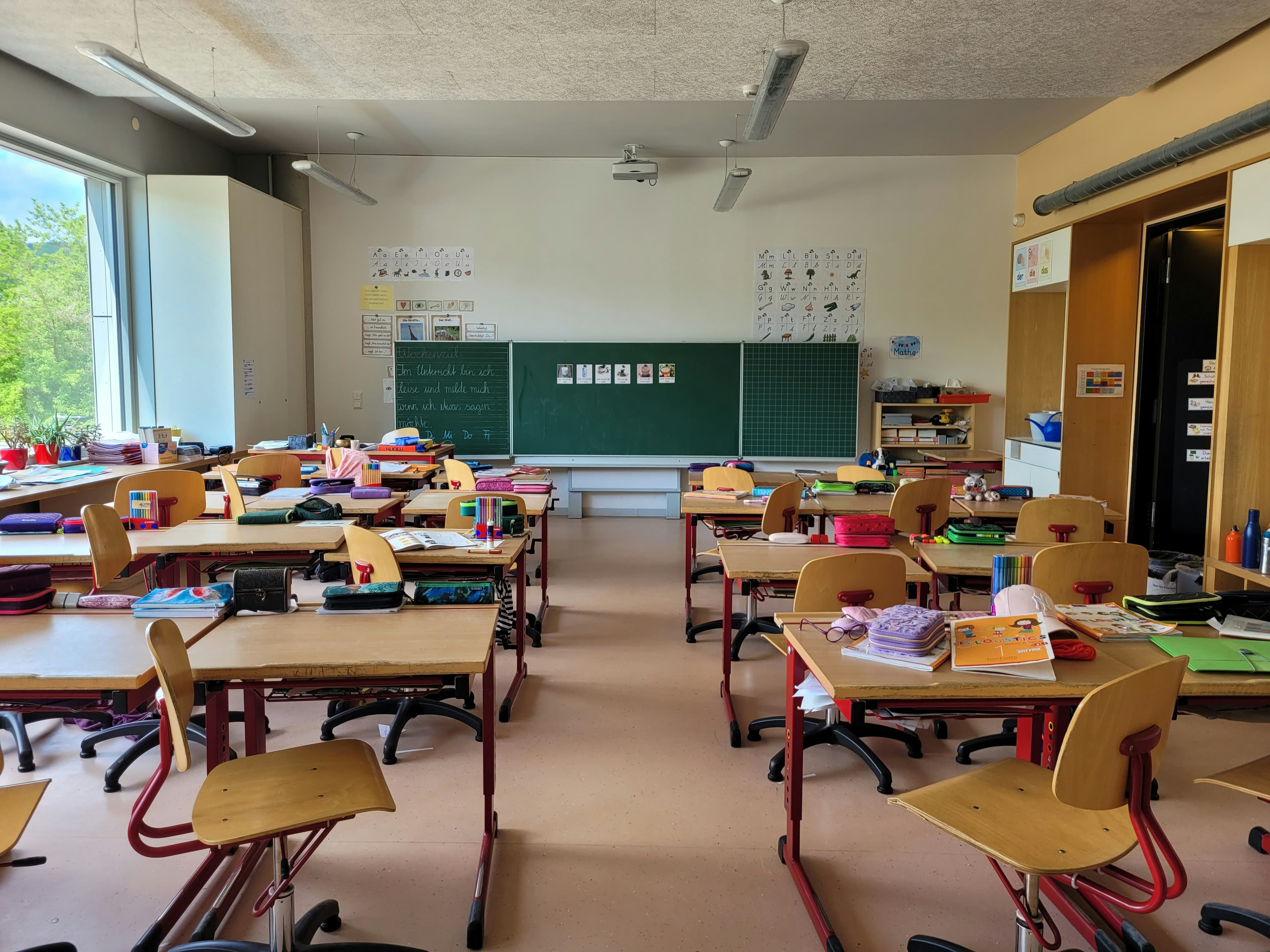
telc Deutsch B1 is the certificate most people reach for when they need proof of B1 German for the practical stuff: applying for German citizenship, a permanent residence permit, or finishing an integration course. It's the same B1 as any other on the CEFR scale, so what you're really deciding when you pick telc is the exam format you'll sit and the center you'll book it at. And the center matters more than you'd expect, because unlike the Goethe-Zertifikat, telc B1 has no single national price.
Here's what the exam actually contains, what it costs in Germany in 2026, and how to get yourself a seat.
What telc Deutsch B1 actually tests
telc Deutsch B1 (you'll also see it called "Zertifikat Deutsch") is a four-skill exam split into two blocks that are graded separately: a written part and an oral part. You need 60% in each to pass. The two don't compensate for each other, so a strong written score won't rescue a weak speaking result, and vice versa.
The written part (about 2.5 hours)
The written exam runs in one sitting and covers three skills:
- Reading and language elements (Leseverstehen and Sprachbausteine): 90 minutes combined. Reading is worth 75 points across three task types, and the Sprachbausteine section (30 points) is a grammar-and-vocabulary-in-context block where you slot the right word or structure into gaps. These two share a single 90-minute window, so budget your time yourself.
- Listening (Hörverstehen): about 30 minutes, 75 points. Three parts, played once each, from short everyday exchanges to a longer radio-style piece. You can't rewind, which is why exam-day listening feels harder than practising at home with a pause button.
- Writing (Schreiben): 30 minutes, 45 points. One task: a semi-formal letter or email responding to a prompt with four content points you have to address. Miss a content point and you lose marks even if the German is clean.
That's 225 points in the written block. You need 60% of them.
The oral part (about 15 minutes, taken in pairs)
The speaking exam is the part people underestimate. You're paired with another candidate and given 20 minutes of preparation time before you go in together. The exam itself is roughly 15 minutes and has three stages:
- Getting acquainted (Kontaktaufnahme): short small talk with your partner, introducing yourselves and asking follow-up questions.
- Talking about a topic: you each get a prompt and discuss it, giving your opinion and reacting to your partner's.
- Planning something together: you and your partner have to organize something jointly, like an event or a gift, and reach an agreement.
Because it's a pair exam, your partner's German affects how the conversation flows, but you're graded individually on your own contribution. The examiners want to hear you initiate, respond, and negotiate, not just answer questions.
The single most useful thing you can do before test day is one full timed practice run with the official model test, especially the paired speaking task with a study partner. telc publishes free Übungstests (practice tests) with audio on its site. The content level won't surprise you at B1, but the timing and the answer-sheet mechanics will if you've never seen them.
Why telc B1 has no single price
If you've read about the Goethe exam, you'll know it has a fairly consistent national fee structure. telc works differently, and this trips people up.
telc is run by telc gGmbH, a non-profit that grew out of Germany's adult-education (Volkshochschule) system. telc doesn't run exam centers itself. It licenses the exam to test centers: Volkshochschulen, private language schools, and integration-course providers. Each of those centers sets its own price to cover its own room, staff, and administration costs. So the fee you pay isn't "the telc B1 price," it's that center's telc B1 price.
That's why the same certificate can cost €155 at one place and €239 at another. Neither is wrong. You're paying the center, not telc.
How much does telc Deutsch B1 cost in 2026?
Across German test centers, telc Deutsch B1 lands roughly between €155 and €239, with a lot of centers clustered around €190. Here's what real centers are charging in 2026:
| Test center | telc B1 fee | Notes |
|---|---|---|
| did deutsch-institut, Berlin | €190 | |
| IISC, Braunschweig | €190 | Written or oral part alone: €150 |
| German Studios, Cologne | €199 | |
| German Studios, Frankfurt | €229 | |
| speakeasy, Munich | €239 |
A few things worth knowing before you just book the cheapest one:
- Some centers discount for their own students. If you take a preparation course at the center, or finished one recently, you may pay less. did deutsch-institut, for example, knocks €25 off for current or recent course participants.
- A partial retake usually costs less. Because the written and oral blocks are separate, if you fail one you rebook only that block, and centers charge a reduced fee for a single part (IISC lists €150 for one part alone).
- The cheapest center isn't always the best deal. A center 90 minutes away that costs €30 less can end up costing more once you factor in travel and a possible overnight stay for an early start. Availability of test dates matters too.
Center fees change and vary widely. The figures above were checked against center pricing pages in August 2026, but always confirm the current fee on the specific center's own page before you register. Don't quote one center's price as "the" telc B1 price to a friend, because theirs will differ.
How to register for telc Deutsch B1, step by step
telc registration is always handled by the test center, not by telc's head office. There's no central sign-up portal where you pay telc directly. The process:
- Find a licensed center near you. Use telc's official center finder (Prüfungszentrale search) to locate authorized centers, or check whether a language school you're already attending is licensed to run the exam.
- Check available dates. Most centers run telc B1 sittings monthly, but popular dates fill up. Registration typically closes two to four weeks before the exam date, so don't leave it to the last week.
- Contact the center directly by phone, email, or its booking form to reserve your seat.
- Pay the exam fee to the center, in whatever way it specifies. Your seat usually isn't held until payment clears.
- Get written confirmation with the date, time, and location, plus what to bring.
- Bring valid photo ID on exam day, a passport or national ID card whose name matches your registration exactly. A mismatch can cost you the seat.
Results generally arrive about four to six weeks after the exam, and you collect the certificate from the center that ran your exam. If you need the certificate by a hard deadline (a citizenship appointment, a visa renewal), count backwards from that date and add a buffer.
The non-profit behind telc Deutsch B1. Use its site to find your nearest licensed test center, download free official practice tests (Übungstests) with audio, and check the exam format per level.
Is telc Deutsch B1 the right exam for you?
If your goal is one of the practical B1 milestones (German citizenship, a permanent residence permit, or proving B1 after an integration course), telc Deutsch B1 is accepted and is usually the most convenient and affordable option, because it's offered at so many centers. All the standard B1 certificates are interchangeable for these purposes: Goethe-Zertifikat B1, telc Deutsch B1, ÖSD Zertifikat B1, and the Deutsch-Test für Zuwanderer at B1 all count. Most people take telc simply because there's a center nearby and a date next month.
The one time to slow down is when an institution names a specific exam. If your target program, employer, or authority says "Goethe-Zertifikat B1," take that one instead. Read the requirement first, then book. For a fuller comparison of when to choose telc over Goethe, see our Goethe-Zertifikat vs. telc guide.
One last practical note: because the written and oral blocks pass or fail independently, treat them as two exams when you prepare. Plenty of candidates who read and write comfortably at B1 lose the whole exam on the paired speaking task because they never practised talking under time pressure with a stranger. Book a study partner, run the three speaking stages a few times, and you take the scariest part of the exam off the table before you walk in.